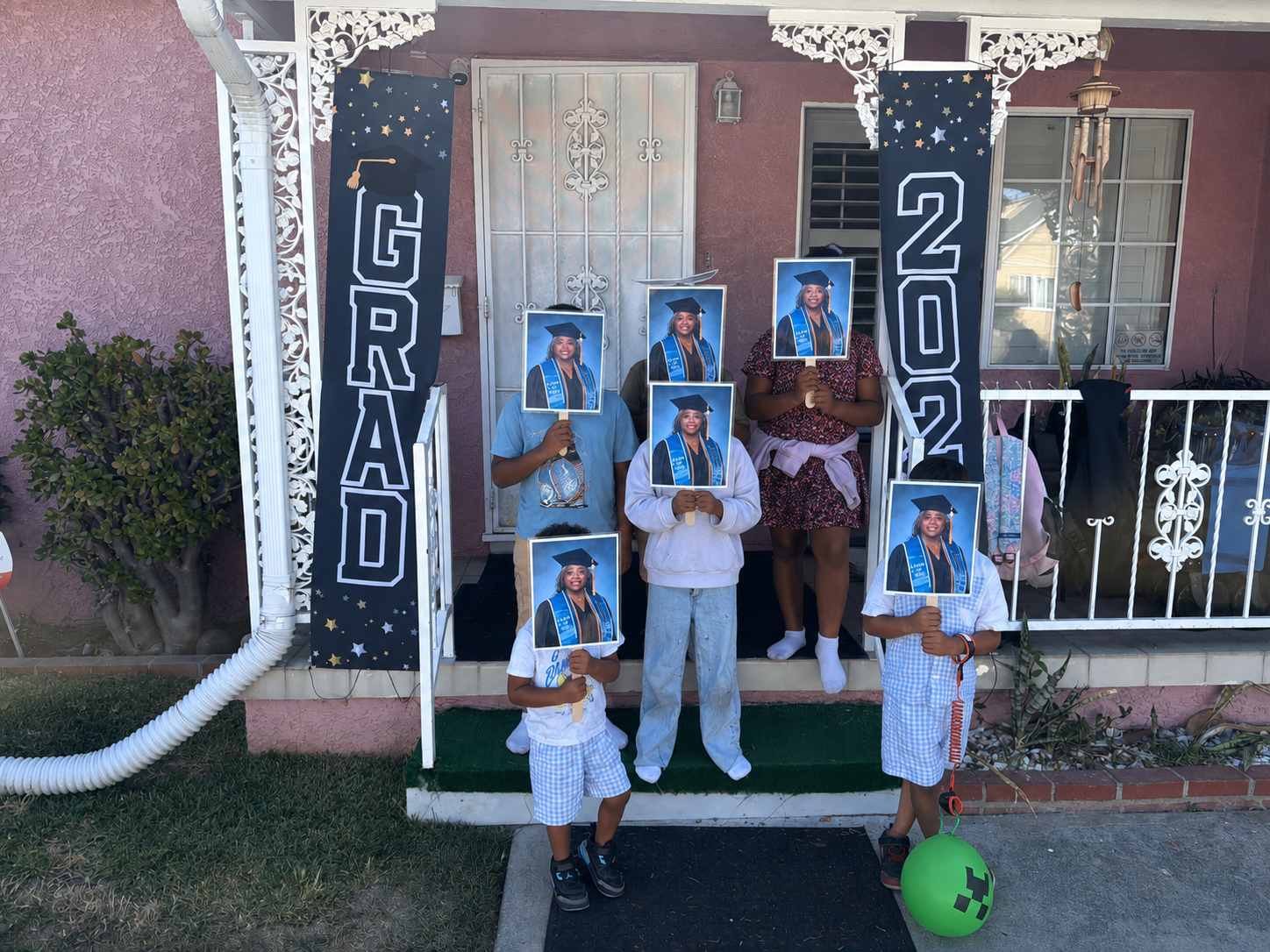
At 82, She Walked Across the Stage. She'd Been Working Toward It Since the 1990s.
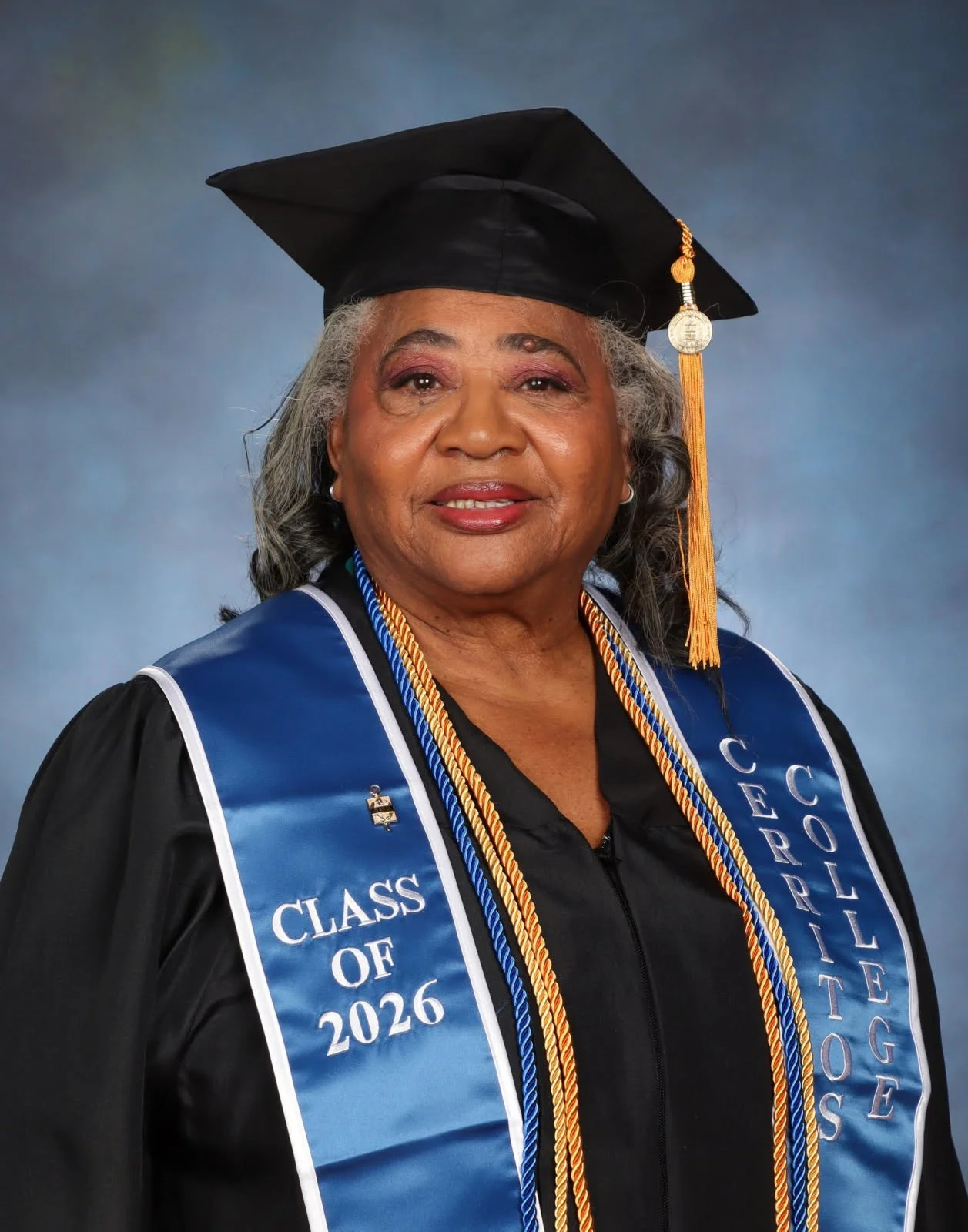
Bernice Jimmons
A family child care provider for over 50 years. A CCPU union member who helped win California providers their first-ever retirement benefit. And now, at 82, a college graduate.
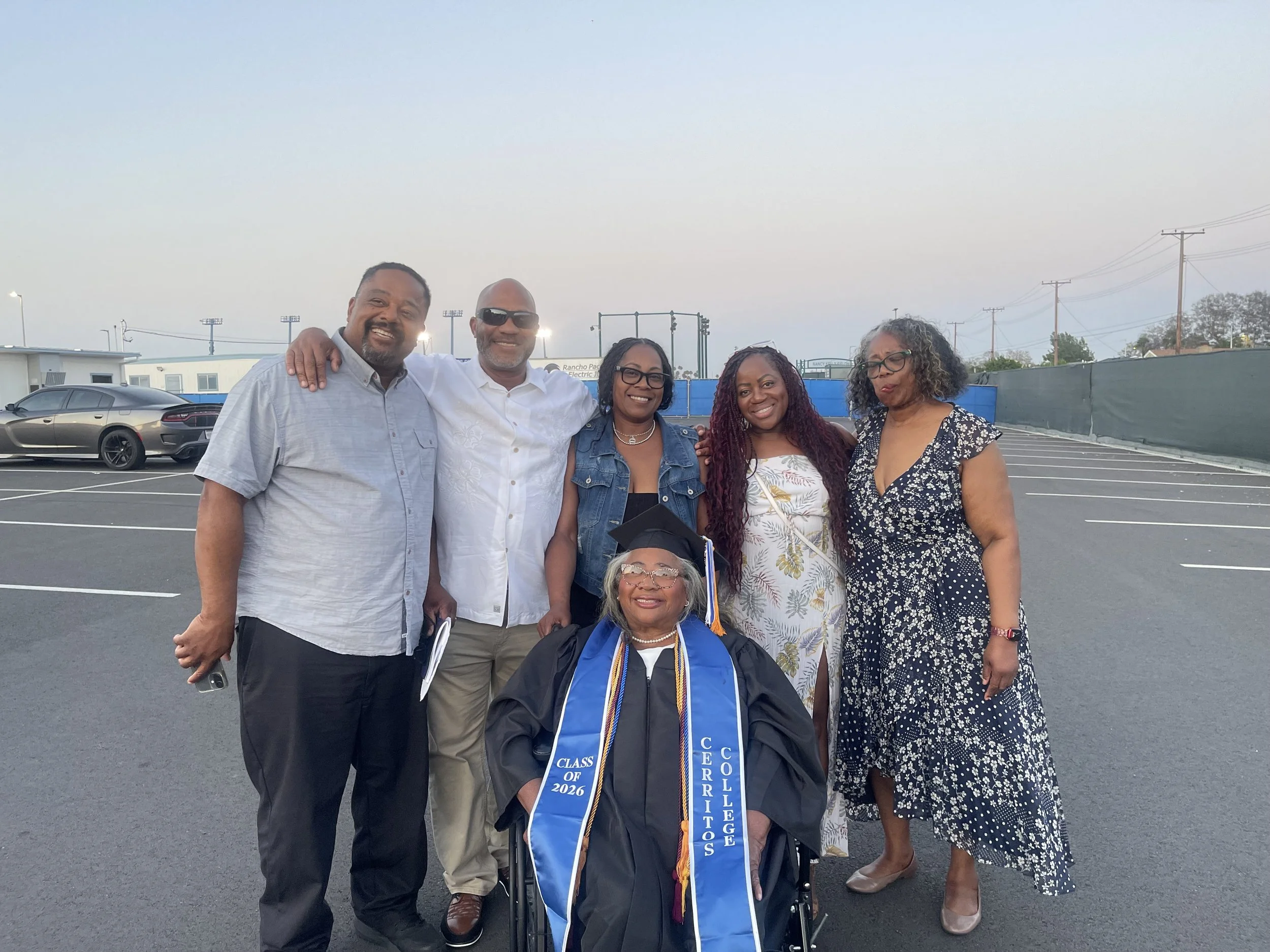
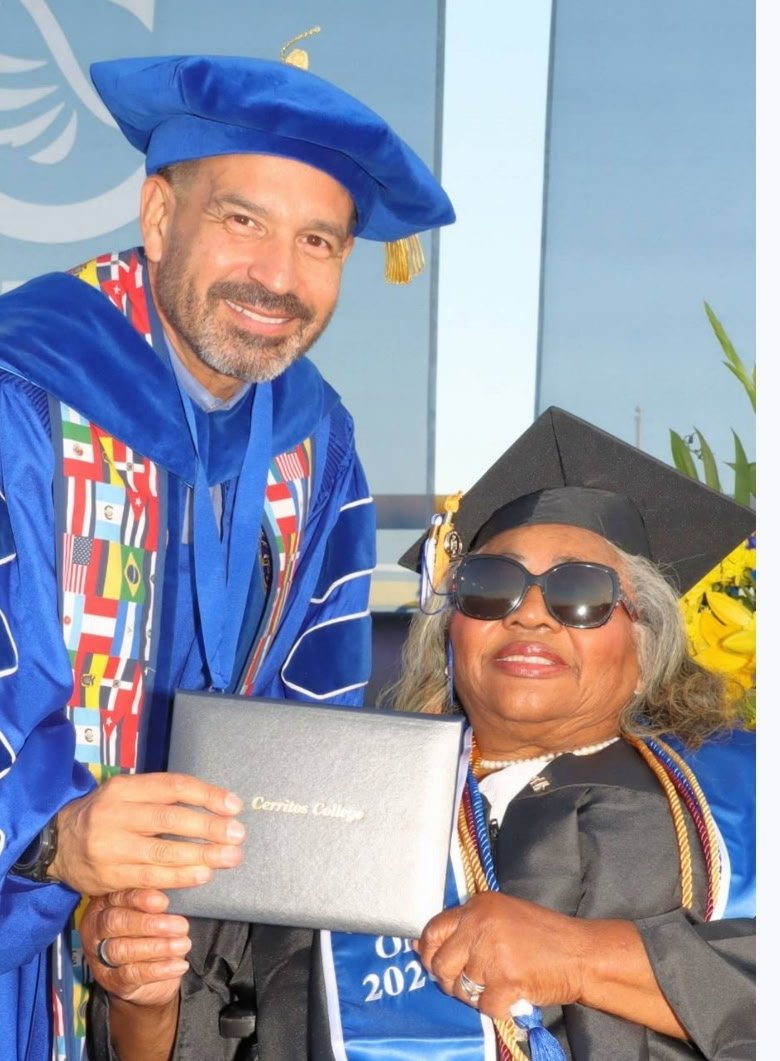
Bernice Jimmons was first in line the day she crossed the stage at Cerritos College, seated in a wheelchair, cap pinned in place, an honor cord draped around her neck. Her daughter pushed her forward, camera raised, snapping photo after photo as they moved through the crowd. "Oh, my God, do I look okay?" Jimmons asked, half laughing, feeling, she said, like a movie star for the first time in her 82 years.
Her family had only managed to get their hands on eight tickets for a crowd of relatives far bigger than that, so they traded off all afternoon, slipping out so someone else could slip in.
She hadn't dyed her gray hair or gotten her nails done for the occasion. "That's expensive," she said. She didn't need it to be perfect. She needed it to be real.
"It was a great, great feeling to finish," Jimmons said. "My heart just opened up. You ever been so happy your heart just opened up? That's what I felt."
Bernice Jimmons has been caring for other people's children since 1970. She has raised infants into toddlers, walked teenagers to the school bus, and once took in a five-year-old girl nobody else wanted, a child born without an esophagus, and raised her for the next 33 years.
She has sat across from state officials and told them what it means to lose a retirement fund overnight. And this year, at 82, all of that came together on a graduation stage.
She is a member of SEIU Local 99 and part of CCPU, the union representing family child care providers like her across California. Her story runs through nearly every fight the union has taken on: the push for provider retirement benefits, the case for reliable healthcare, the argument that child care work deserves the same respect and support as any other profession. But long before any of that, her story starts on a farm in rural Alabama, in a world built to keep her small.
A Childhood in the Jim Crow South
Jimmons grew up in the 1940s, '50s and '60s in a part of Alabama so rural, she said, "you would think you're in Africa." Her family raised nearly everything they ate, buying only flour and sugar from a store many miles off. There was no running water, no bathtub, no indoor toilet. Water came from a well. The school she attended as a child was small and entirely Black, with one teacher covering two or three grades at once, until the county eventually built a new school and the children had to catch a bus to reach it.
"We didn't know it was hard," she said. "But looking back on it, it was rough."
As a girl, she was struck by lightning. During a storm, her family sat quietly indoors, as was the custom, but she grew thirsty and slipped out to the water dipper anyway. The lightning hit her as she drank. She was badly burned and collapsed on the floor. She survived, but the memory has stayed with her for more than seventy years.
Work on the farm was constant: cotton, hay, whatever the season demanded. "I used to go to sleep on the cotton in the sun," she said, "because I was young."
After high school, Jimmons left Alabama for an airline school in Missouri, hoping to become a flight attendant with TWA. She was told plainly that the airline was not hiring Black women for the job. It was one of many doors closed to her before she'd had the chance to knock. "The only thing for Black folks, I think, was cleaning somebody's house, or being in service," she said of the opportunities available to her at the time.
Before leaving Alabama, Jimmons had already cared for a young child while working for a family. She later took a job as a secretary, then worked as a nurse's assistant, caring for a Jewish woman in her home.
“We didn’t know it was hard. But looking back on it, it was rough.”
A Family, and a Girl Named Valerie
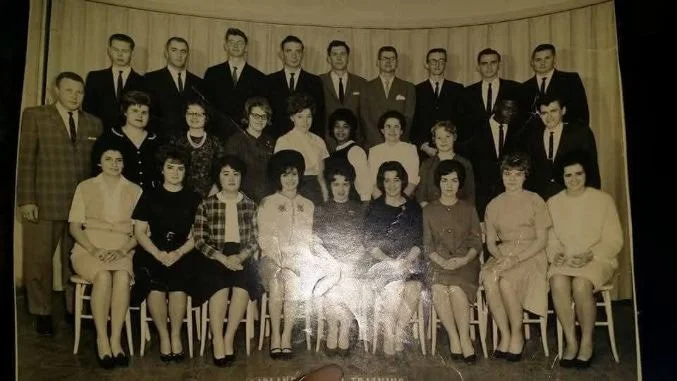
Jimmons married and, when her husband's father fell ill, the couple moved to California, settling first in Compton. She worked at a school near what she remembers as Our Lady of Victory, and spent her days driving a group of nuns who had come from New Orleans to wherever they needed to go, praying with them the entire way. In the neighborhood, local kids nicknamed her "Grandma B," and when she wore a patch over her eye after an injury, they'd stop her on the street to check on her, unaware, she said, that some of them were carrying guns even as they looked out for her.
Before that, back in Missouri, Jimmons worked as a nurse's assistant at St. Joseph's Hospital, pulling a 24 hour shift the night Dr. Martin Luther King Jr. was assassinated. "Everybody thought it was the end of the world," she remembered.
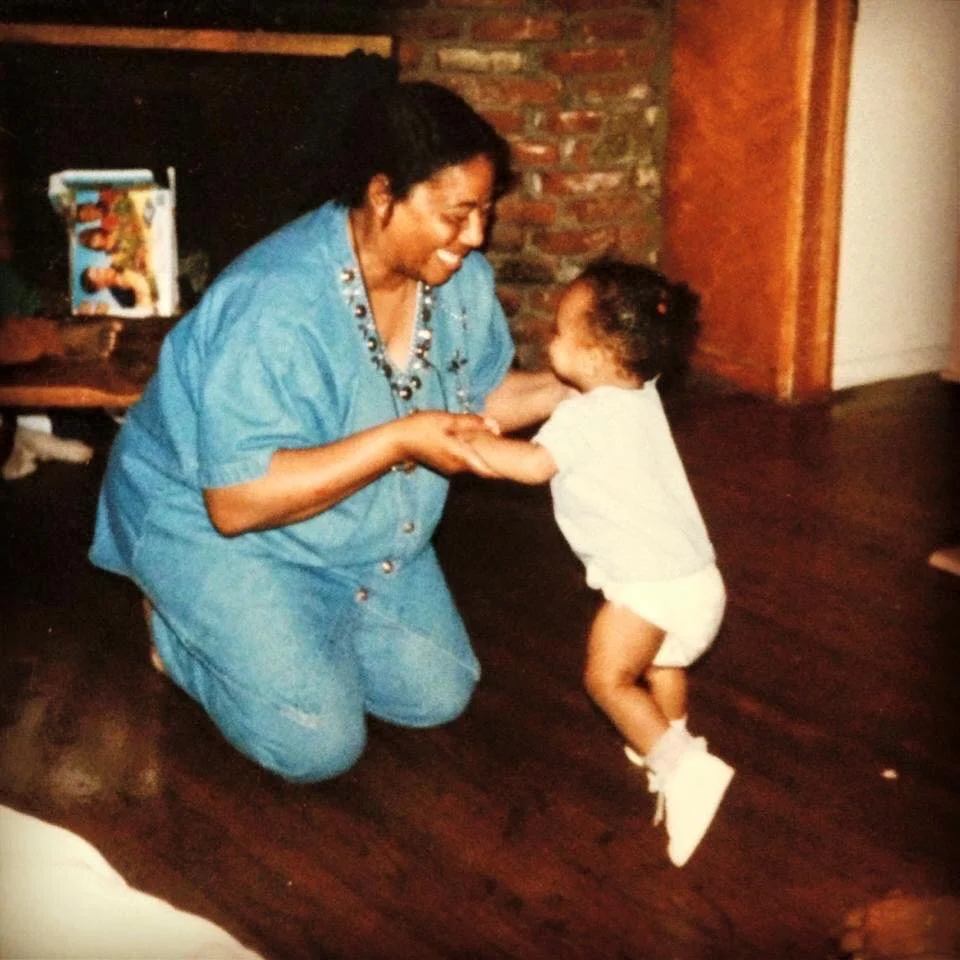
It was also in Missouri, in 1970, that Jimmons took in a five-year-old girl named Valerie King. Valerie was the daughter of a friend of Jimmons's husband, and her mother was young and unable to care for her. Valerie had been born without a functioning esophagus and had to be tube-fed carefully so she wouldn't choke. By the time she was four or five years old, she weighed only 19 pounds. The state had labeled her non-adoptable because of her medical needs, and she had cycled through home after home. By the time she reached Jimmons, she was depressed and had stopped wanting to live.
"When I brought her home with me, and my kids, she wanted to live," Jimmons said. "She didn't want to go to another home."
Jimmons raised Valerie alongside her own children, first in Missouri and then in California after the family relocated. Valerie went to school and lived a relatively normal life. She went on to have a son of her own, something doctors hadn't expected given her condition. Jimmons cared for her for 33 years, far longer than doctors expected her to live. "It was a great experience to take care of her," Jimmons said. "She had a will to live. You could see it."
“It was a great experience to take care of her. She had a will to live. You could see it.”
Fighting for What Providers Deserve
Jimmons became an SEIU Local 99/CCPU member around the time Barack Obama was elected president, after her daughter, who worked alongside SEIU nurses, encouraged her to join. Not long after, Jimmons found herself on the union's negotiating team, working to win providers a retirement benefit that had never existed before.
She remembers being asked, gently but deliberately, to be the one who told her own story to state officials: how she'd once had a retirement account from her years at Our Lady of Victory, only to lose her husband's income and be forced to cash it out just to keep her family fed. She was nervous to speak in front of a room, self-conscious, she said, about smiling without her teeth in. Her colleague, Nancy, started singing to loosen her up, and eventually she found the words. As she spoke, she remembers a state official named Candace watching her closely, staring at her the whole time.
"I talked, and right after, we received the retirement," she said. The sessions ran long into the night, and providers were put up in a hotel to keep negotiating. At one point, riding in a car with other providers between sessions, someone suggested they stop pushing and take what was already on the table. Jimmons said no.
"Let's keep going," she told them. "Let's ask for more." The group voted to settle negotiations there. But when the dust settled, the union had won not just retirement, but healthcare and training benefits for providers across the state, more than anyone in that car had imagined.
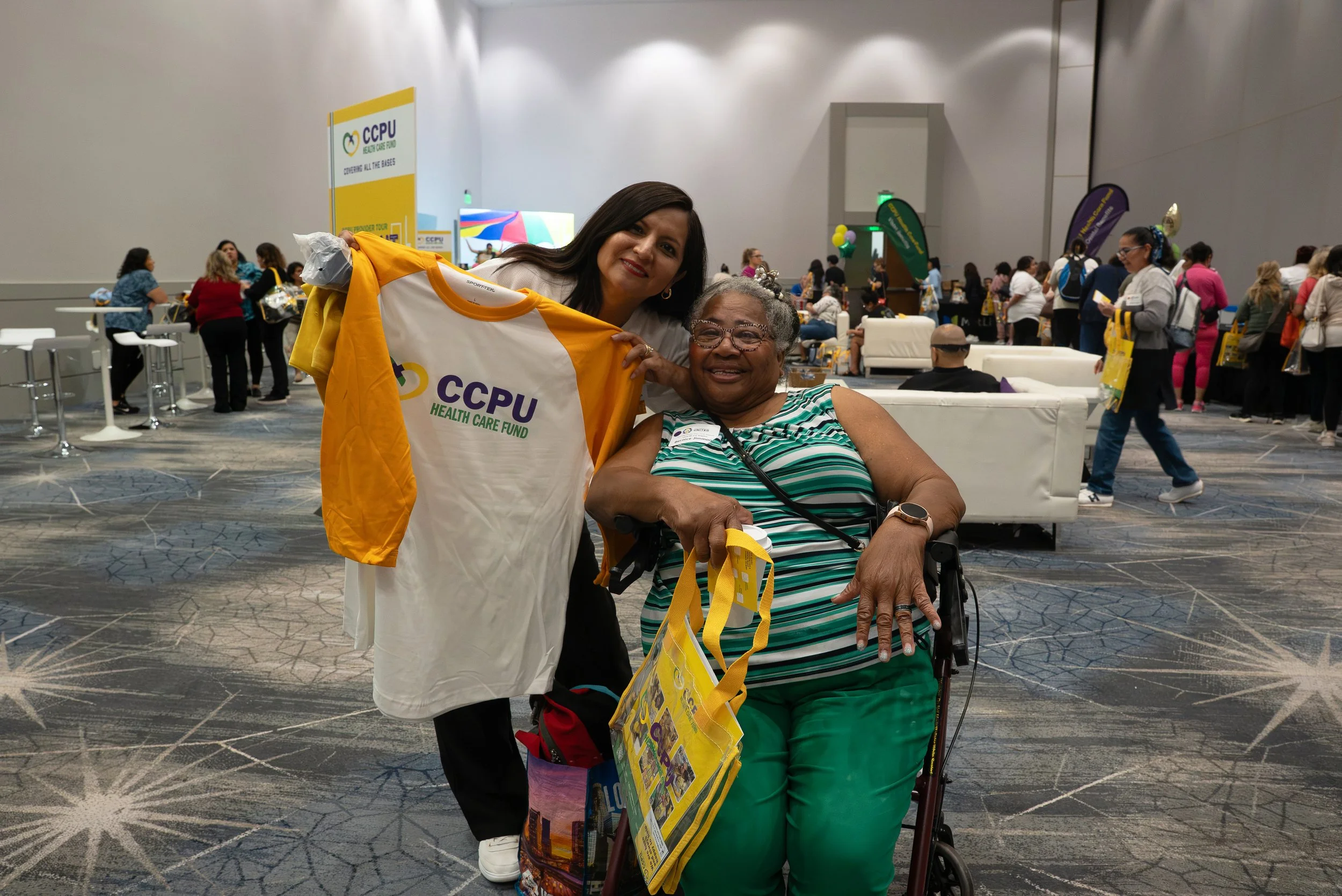
Years later, she still talks about what those benefits mean to her day to day, not as an abstraction but as something she feels every time she opens a medication bottle or sees a doctor. "It feels great. It feels like a great accomplishment," she said. "I shared it with several people, and it's a great feeling. We worked, but there was no insurance for a long time. I have insurance now because of my age, but it's not like you don't pay out of pocket, and that CCPU health care card helps. There's a lot of medication I couldn't afford without it. Out of pocket, it helps a lot."
The negotiations also won providers up to $5,000 a year toward education, money Jimmons didn't end up needing herself, she qualified for financial aid instead, but she's quick to point out what it means for providers who don't. "It's a great help, because you have to have books, you have to have certain things," she said. "Some providers may not qualify for financial aid, so that helps them."
“Let’s keep going. Let’s ask for more.”
More Than Just Perks
The education benefit wasn't the only thing providers walked away with. Of everything the union won at the bargaining table, retirement, healthcare, training, there's one benefit Jimmons uses every day.
It came through CCPU's technology benefit, part of the same package of supports she helped fight for at the negotiating table years earlier. Since then, the fund has put thousands of laptops into the hands of family child care providers across the state, giving them tools to run businesses that, for decades, providers had to manage on their own with whatever they could scrape together.
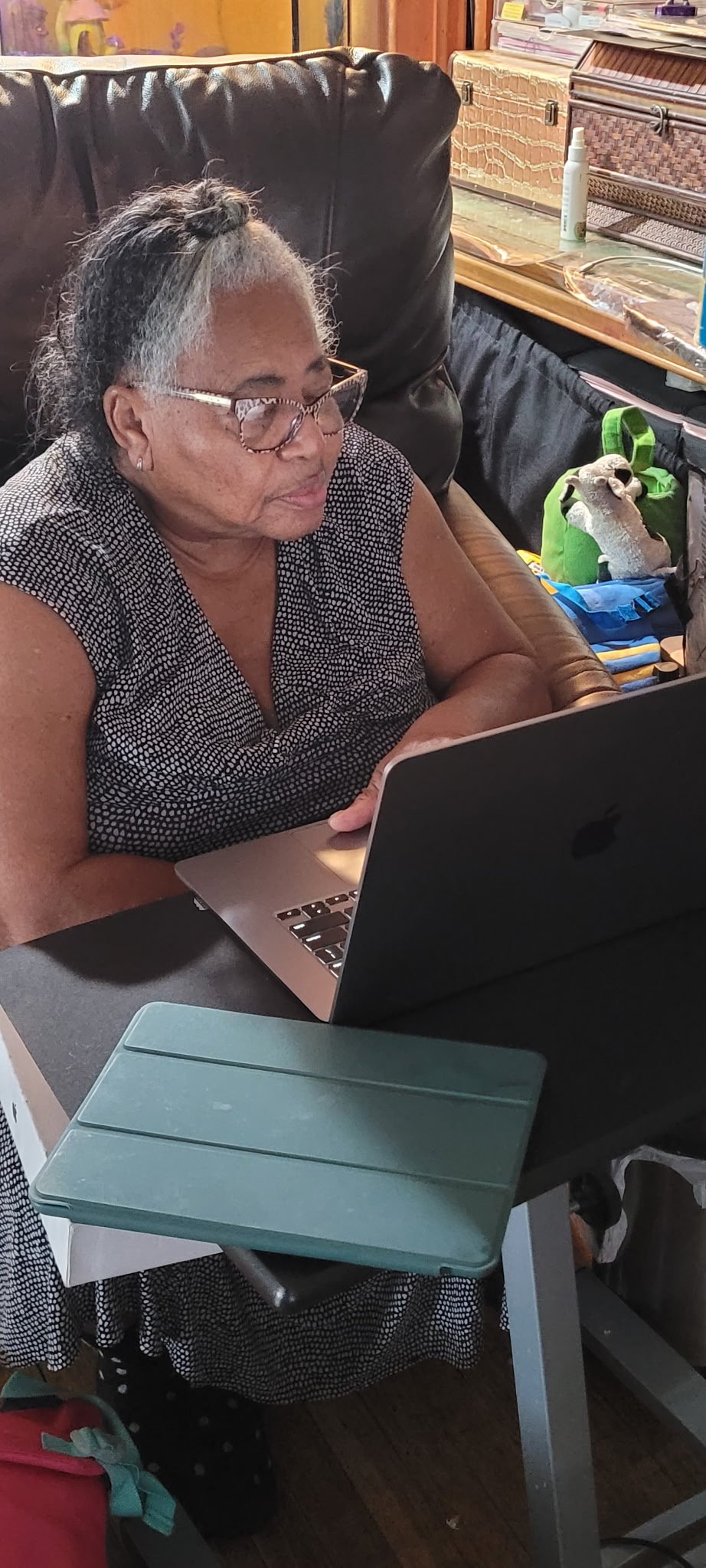
"Oh, yeah, we got the laptop," Jimmons said. "I use it for my child care."
It does double duty. She uses it for home security, keeping an eye on the children in her care even when she isn't in the same room, watching from a screen if a child wanders upstairs or out into the yard. She also uses it to manage the paperwork that comes with running a licensed child care business, and to join CCPU Training Fund webinars, which she attends regularly to stay current on training and benefits. It also allowed her to do schoolwork, which was necessary to finish those final classes at Cerritos College.
Back to School, Decades in the Making
Jimmons first went back to school in the 1990s, chipping away at coursework in child development while running a full house of children. More than once, she had to stop. She remembers walking away from a scholarship because there was no way to do homework, get to campus, and still watch the children she was responsible for.
Years later, once her circumstances shifted, she went back to Cerritos College and picked up where she'd left off. Her child development classes covered ground she thought she already knew, having raised her own children and cared for other people's for decades. But she still walked away with new tools: the stages a child moves through developmentally, month by month, how to recognize when speech is on track and when it isn't, especially for children learning two languages at once, the way one of the toddlers currently in her care is picking up English and Spanish side by side.
Along the way, she also fell in love with a geology class, of all things, learning the names of clouds and the mountains that people die trying to climb. In a music class, she sang a duet of a Nat King Cole song with a classmate, only to be told afterward that she'd been singing alongside the college's president.
“When it comes to doing homework, classwork, you’re right there with them. Everybody’s in the same boat.”
In gym and swimming classes, she kept up with students a fraction of her age. "When it comes to doing homework, classwork, you're right there with them," she said. "Everybody's in the same boat. You got the same goal, and that's to learn."
This year, at 82, she finished for good, first earning her associate's degree in child development, then returning again to complete her general education requirements. She made the honor roll both times, though she was surprised to learn that even honor students have to pay for their own cap, gown and honor cord. "If you're on the honor roll, they should just give it to you," she said. "But you have to pay for that yellow rope."
A CBS crew showed up to cover her graduation, and Jimmons laughed remembering how much attention it drew. "I did not know what to say," she said. "They were taking pictures left and right." Someone asked where she'd gotten her lipstick that day. It was her daughter's, borrowed for the occasion.
"If There's a Will, There's a Way"
Today, Jimmons is licensed for eight children and usually has five to seven in her care on a given day, ranging from infants to 11 year olds. Her business carries two names: Jimmons Family Child Care, but is also known as Excellent Family Child Care. One child currently in her care, not yet two years old, is receiving speech therapy and is being raised bilingually in English and Spanish. Jimmons is patient with him the way she has been patient with dozens of children over more than fifty years.
She still thinks about the family child care providers who assume they're too old to go back to school, the ones in their 40s and 50s who figure that window has closed. Jimmons was 50 herself, sitting in a classroom, when she started. "I tell them to go back," she said. "I was 50 years old, and I was in the classroom." She talks about a teenager she mentors, encouraging him to keep his grades up between football practices, telling him that school is free now in a way it won't be later. "Education is a gold mine," she tells him. "You better get to school."
Her answer to providers who hesitate hasn't changed since the day she finished. "Go for it," she said. "You can do it. If there’s a will, there's a way." She says it plainly, without dressing it up, the same way she said it the day officials asked her to explain, in front of a room full of strangers, what it meant to finally get her retirement.
Asked what it felt like to finally graduate, after more than three decades of stopping and starting, of choosing children over classrooms and then finding her way back again, Jimmons didn't hesitate.
"My heart just opened up," she said. "I don't think I've ever been that happy."
Looking back on those negotiations, and everything that came after, she keeps returning to one feeling, the one she had the moment the deal came through after that long night in the hotel. "It was great," she said. "It was a great feeling for all of us." That feeling has carried her through every year since, from the bargaining table to the graduation stage.
“Go for it. You can do it. If you got a will, there’s a way.”